Other Professional CoursesOreilly2021-6 Edition100% Free Video Course

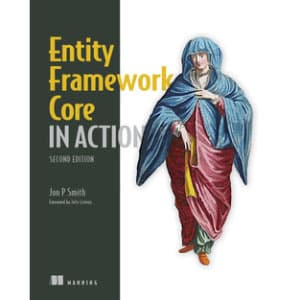
Entity Framework Core in Action, Second Edition

Entity Framework Core in Action, Second Edition is a course on mastering Microsoft’s modern data access technology, published by OReilly Online Academy. This course takes developers from the basics of Entity Framework Core to advanced concepts, with an emphasis on real-world applications and performance optimization techniques. Students learn to set up EF Core, design robust data models, manage migrations, and efficiently query databases. The updated second edition includes the latest EF Core features, including support for newer versions of .NET and database providers.Entity Framework radically simplifies data access in .NET applications. This easy-to-use object-relational mapper (ORM) lets you write database code in pure C#. It automatically maps classes to database tables and enables queries with standard LINQ commands. It even generates SQL, so you don’t have to! Through practical examples and step-by-step explanations, this training course ensures a solid foundation for creating high-performance, scalable, and maintainable data-driven applications.
164 Video Lessons
16.3 Hours On-Demand
Created by Senior Industry Specialist
Uploaded Sep 2026
English
Entity Framework Core in Action, Second Edition
Preview This Course
Free$129.99100% Free

Instant high-definition streaming with zero paywalls.

Course Features:
16.3 hours on-demand video
164 complete lectures
1 downloadable project zip file(s)
Streamable on mobile, tablet & desktop
Self-paced curriculum with progress tracking
Direct MP4 downloads & offline video access
Verified course archives hosted on cloud infrastructure.

What You'll Master in this Course

Configuring EF to define each table and column
Updating your schema as your application grows
Integrating EF with an existing C# application
Writing and testing business logic for database access
Using domain-driven design in EF Core
Getting the best performance from EF Core
And…

Course Curriculum164 Lectures

1 sections • 16.3 hours total length

Prefer offline learning? Download all 164 video lectures and project files for free.
Download Free
Chapter 1. What about NoSQL
Preview
1m
Chapter 1. An overview of EF Core
Preview
2m
Chapter 1. Some words for existing EF6.x developers
1m
Chapter 1. Introduction to Entity Framework Core
3m
Chapter 1. My “lightbulb moment” with Entity Framework
5m
Part 1. Getting started
3m
Chapter 1. The stages of development of EF Core
1m
Chapter 1. Setting up the MyFirstEfCoreApp application
3m
Chapter 1. The database that MyFirstEfCoreApp will access
2m
Chapter 1. Your first EF Core application
4m
Chapter 1. Should you use EF Core in your next project
4m
Chapter 1. When should you not use EF Core
1m
Chapter 1. Looking under the hood of EF Core
18m
Chapter 1. Summary
1m
Chapter 2. Creating the application’s DbContext
11m
Chapter 2. Understanding database queries
3m
Chapter 2. Querying the database
17m
Chapter 2. Using client vs. server evaluation Adapting data at the last stage of a query
3m
Chapter 2. Introducing the architecture of the Book App
2m
Chapter 2. Adding sorting, filtering, and paging
8m
Chapter 2. Putting it all together Combining Query Objects
1m
Chapter 2. Building complex queries
7m
Chapter 2. Summary
1m
Chapter 2. Loading related data
9m
Chapter 3. Changing the database content
2m
Chapter 3. Creating new rows in a table
7m
Chapter 3. Deleting entities
6m
Chapter 3. Summary
2m
Chapter 3. Updating database rows
13m
Chapter 3. Handling relationships in updates
31m
Chapter 4. Complex business logic example Processing an order for books
1m
Chapter 4. Using EF Core in business logic
9m
Chapter 4. Using a design pattern to implement complex business logic
3m
Chapter 4. Simple business logic example ChangePriceOfferService
3m
Chapter 4. Validation business logic example Adding review to a book, with checks
2m
Chapter 4. Summary
1m
Chapter 5. Using EF Core in ASP.NET Core web applications
2m
Chapter 4. Implementing the business logic for processing an order
25m
Chapter 5. Understanding the architecture of the Book App
1m
Chapter 4. Adding extra features to your business logic handling
19m
Chapter 5. Understanding dependency injection
8m
Chapter 5. Making the application’s DbContext available via DI
5m
Chapter 5. Calling your database access code from ASP.NET Core
4m
Chapter 5. Implementing your database methods as a DI service
8m
Chapter 5. Implementing the book list query page
5m
Chapter 5. Deploying an ASP.NET Core application with a database
4m
Chapter 5. Using asyncawait for better scalability
4m
Chapter 5. Using EF Core’s migration feature to change the database’s structure
6m
Chapter 5. Running parallel tasks How to provide the DbContext
5m
Chapter 5. Summary
2m
Chapter 6. Writing to the database with EF Core
11m
Part 2. Entity Framework in depth
1m
Chapter 6. Summary
1m
Chapter 6. Tips and techniques for reading and writing with EF Core
32m
Chapter 7. Configuring nonrelational properties
3m
Chapter 7. A worked example of configuring EF Core
4m
Chapter 7. Configuring by convention
4m
Chapter 7. Configuring via Data Annotations
1m
Chapter 7. Excluding properties and classes from the database
1m
Chapter 7. Configuring via the Fluent API
3m
Chapter 7. Setting database column type, size, and nullability
2m
Chapter 7. Value conversions Changing data tofrom the database
2m
Chapter 7. Adding indexes to database columns
1m
Chapter 7. The different ways of configuring the primary key
3m
Chapter 7. Configuring the naming on the database side
3m
Chapter 7. Applying Fluent API commands based on the database provider type
2m
Chapter 7. Configuring Global Query Filters
1m
Chapter 7. Shadow properties Hiding column data inside EF Core
4m
Chapter 7. Backing fields Controlling access to data in an entity class
6m
Chapter 7. Summary
1m
Chapter 7. Recommendations for using EF Core’s configuration
10m
Chapter 8. Configuring relationships
3m
Chapter 8. Configuring relationships
1m
Chapter 8. What navigational properties do you need
2m
Chapter 8. Configuring relationships By Convention
13m
Chapter 8. Configuring relationships by using Data Annotations
2m
Chapter 8. Fluent API relationship configuration commands
16m
Chapter 8. Controlling updates to collection navigational properties
2m
Chapter 8. Additional methods available in Fluent API relationships
9m
Chapter 8. Summary
2m
Chapter 8. Alternative ways of mapping entities to database tables
19m
Chapter 9. Handling database migrations
2m
Chapter 9. Understanding the complexities of changing your application’s database
3m
Chapter 9. Part 1 Introducing the three approaches to creating a migration
3m
Chapter 9. Editing an EF Core migration to handle complex situations
9m
Chapter 9. Creating a migration by using EF Core’s add migration command
20m
Chapter 9. Using SQL scripts to build migrations
10m
Chapter 9. Using EF Core’s reverse-engineering tool
9m
Chapter 9. Part 2 Applying your migrations to a database
13m
Chapter 9. Migrating a database while the application is running
7m
Chapter 9. Summary
1m
Chapter 10. Configuring advanced features and handling concurrency conflicts
11m
Chapter 10. Computed column A dynamically calculated column value
4m
Chapter 10. Setting a default value for a database column
7m
Chapter 10. Sequences Providing numbers in a strict order
1m
Chapter 10. Marking database-generated properties
5m
Chapter 10. Summary
1m
Chapter 10. Handling simultaneous updates Concurrency conflicts
32m
Chapter 11. Going deeper into the DbContext
2m
Chapter 11. Understanding how EF Core tracks changes
2m
Chapter 11. Using SQL commands in an EF Core application
8m
Chapter 11. SaveChanges and its use of ChangeTracker.DetectChanges
14m
Chapter 11. Looking at commands that change an entity’s State
12m
Chapter 11. Dynamically changing the DbContext’s connection string
2m
Chapter 11. Accessing information about the entity classes and database tables
7m
Chapter 11. Handling database connection problems
5m
Chapter 11. Summary
2m
Part 3. Using Entity Framework Core in real-world applications
2m
Chapter 12. Using entity events to solve business problems
5m
Chapter 12. Where might you use events with EF Core
4m
Chapter 12. Defining where domain events and integration events are useful
1m
Chapter 12. Implementing a domain event system with EF Core
14m
Chapter 12. Implementing an integration event system with EF Core
6m
Chapter 12. Improving the domain event and integration event implementations
5m
Chapter 12. Summary
1m
Chapter 13. Domain-Driven Design and other architectural approaches
2m
Chapter 13. The Book App’s evolving architecture
7m
Chapter 13. Introduction to DDD at the entity class level
4m
Chapter 13. The downside of DDD entities Too many access methods
2m
Chapter 13. Altering the Book App entities to follow the DDD approach
21m
Chapter 13. Using your DDD-styled entity classes in your application
11m
Chapter 13. Three architectural approaches Did they work
6m
Chapter 13. Getting around performance issues in DDD-styled entities
8m
Chapter 13. Summary
1m
Chapter 14. Part 2 Techniques for diagnosing a performance issue
11m
Chapter 14. Part 3 Techniques for fixing performance issues
1m
Chapter 14. EF Core performance tuning
7m
Chapter 14. Using good patterns makes your application perform well
5m
Chapter 14. Performance antipatterns Database queries
10m
Chapter 14. Performance antipatterns Writes
11m
Chapter 14. Summary
1m
Chapter 14. Performance patterns Scalability of database accesses
4m
Chapter 15. Master class on performance-tuning database queries
7m
Chapter 15. LINQ+UDFs approach Adding some SQL to your LINQ code
3m
Chapter 15. Good LINQ approach Using an EF Core Select query
5m
Chapter 15. SQL+Dapper Creating your own SQL
4m
Chapter 15. Improving database scalability
3m
Chapter 15. Comparing the four performance approaches with development effort
2m
Chapter 15. Summary
1m
Chapter 15. LINQ+caching approach Precalculating costly query parts
26m
Chapter 16. Cosmos DB, CQRS, and other database types
3m
Chapter 16. Introduction to Cosmos DB and its EF Core provider
3m
Chapter 16. Building a Command and Query Responsibility Segregation (CQRS) system using Cosmos DB
4m
Chapter 16. The design of a two-database CQRS architecture application
16m
Chapter 16. Understanding the structure and data of a Cosmos DB account
4m
Chapter 16. Was using Cosmos DB worth the effort Yes!
14m
Chapter 16. Differences in other database types
6m
Chapter 16. Displaying books via Cosmos DB
13m
Chapter 16. Summary
1m
Chapter 17. Getting your application’s DbContext ready for unit testing
3m
Chapter 17. Unit testing EF Core applications
8m
Chapter 17. Three ways to simulate the database when testing EF Core applications
2m
Chapter 17. Choosing between a production-type database and an SQLite in-memory database
5m
Chapter 17. Using a production-type database in your unit tests
12m
Chapter 17. Using an SQLite in-memory database for unit testing
4m
Chapter 17. Stubbing or mocking an EF Core database
6m
Chapter 17. Unit testing a Cosmos DB database
4m
Chapter 17. Seeding a database with test data to test your code correctly
2m
Chapter 17. Solving the problem of one database access breaking another stage of your test
5m
Chapter 17. Capturing the database commands sent to a database
6m
Chapter 17. Summary
2m
Appendix. A brief introduction to LINQ
4m
Appendix. Introduction to IQueryableT type, and why it’s useful
5m
Appendix. Querying an EF Core database by using LINQ
1m

Requirements

  • Basic enthusiasm to learn and follow along with lessons
  • A computer or mobile device with a modern internet connection

Description

Entity Framework Core in Action, Second Edition is a course on mastering Microsoft’s modern data access technology, published by OReilly Online Academy. This course takes developers from the basics of Entity Framework Core to advanced concepts, with an emphasis on real-world applications and performance optimization techniques. Students learn to set up EF Core, design robust data models, manage migrations, and efficiently query databases. The updated second edition includes the latest EF Core features, including support for newer versions of .NET and database providers.Entity Framework radically simplifies data access in .NET applications. This easy-to-use object-relational mapper (ORM) lets you write database code in pure C#. It automatically maps classes to database tables and enables queries with standard LINQ commands. It even generates SQL, so you don’t have to! Through practical examples and step-by-step explanations, this training course ensures a solid foundation for creating high-performance, scalable, and maintainable data-driven applications.

Instructor

S

Senior Industry Specialist

Specialist in Other Professional Courses

Passionate educator focused on real-world practical skills, modern frameworks, and production-ready engineering practices. Delivering step-by-step masterclasses accessible to learners globally on MJ Accedemy.

Recommended Curriculum

Students Also Viewed